

A Merry Jest
A Merry Jest
- This topic is empty.
 Bob Wilson
 So, with my twisted sense of humour, I submitted a picture of my modelmaking cutting and spraying board, and entitled it "Cutting Edge Art." It was accepted in double quick time and is now on Pixabay for all to see!
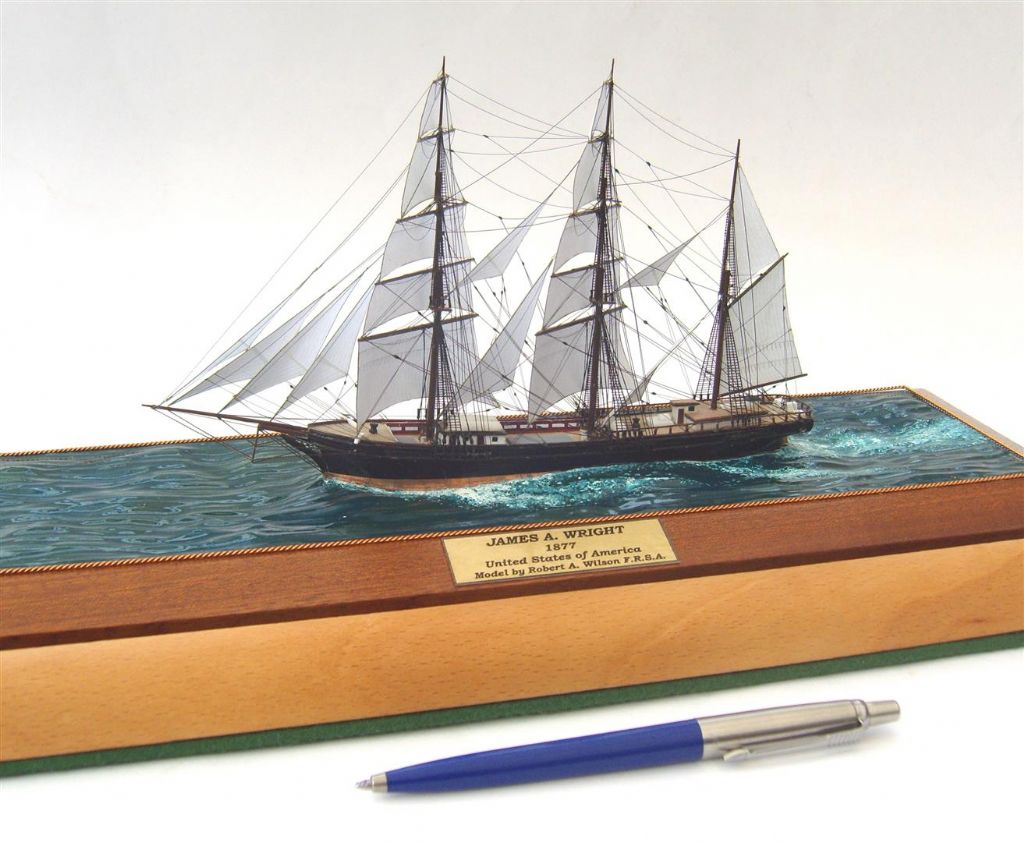
 Dave Milbourn
 Peter Fitness
 I'm sure the experts would be able to discuss, in a very learned fashion, the merits of your "Cutting Edge Art" photo, Bob. Things such as angles, composition, colour, etc, To my untrained eye it looks like a cutting and spraying board
 Banjoman
 To me, the image of the James A. Wright is superb (even though I say it myself). It is just another example of "dumbing down" as far as I am concerned
 As for Picasso's funny pics, I have more talent in my big toe than that sort of thing, but my conscience would not allow me to profit from it.

- Please log in to reply to this topic. Registering is free and easy using the links on the menu at the top of this page.
Code of conduct | Forum Help/FAQs
Latest Replies
-
- Topic
- Voices
- Last Post
-
-
My second RC Boat Build – HMS Campanula, another 1/72 Revell Corvette
Started by:
 suzanner
in: Build Blogs
suzanner
in: Build Blogs
- 2
-
3 hours, 38 minutes ago
suzanner
-
Intro and first RC Boat completion
1
2
Started by:
suzanner
in: Beginners
- 10
-
4 hours, 49 minutes ago
suzanner
-
Nor Star Kingfisher.
Started by:
John Walsh in: Collectors’ corner
- 1
-
10 hours, 4 minutes ago
Will Mason 1
-
Sea Queen By Aerokits 2025
Started by:
harry smith 1 in: Collectors’ corner
- 6
-
2 days, 1 hour ago
 Richard Simpson
-
Todays Boating
1
2
…
216
217
Started by:
 ashley needham
in: All things floating
ashley needham
in: All things floating
- 86
-
2 days, 5 hours ago
ashley needham
-
Servo slowers
Started by:
Philip Oxley in: R/C & Accessories
- 2
-
4 days, 9 hours ago
-
Triple-Screw Boat in River in Boston
Started by:
Queequeg Quint in: All things floating
- 6
-
5 days ago
-
Figures
Started by:
Tim Cooper in: All things floating
- 3
-
5 days, 3 hours ago
-
Amazing model photograph
Started by:
Bob Wilson in: All things floating
- 5
-
5 days, 8 hours ago
-
Motor & ESC options for small tug
Started by:
mejt2026 in: Beginners
- 6
-
6 days ago
Richard Simpson
-
Avondale Castle
Started by:
- 1
-
6 days, 7 hours ago
-
Spring 25 as featured in Howards Way from the 1980’s
1
2
Started by:
 Ray Wood 3
in: Sailing Models
Ray Wood 3
in: Sailing Models
- 5
-
1 week ago
Ray Wood 3
-
Eezebilt RAF Fire Boat
1
2
3
4
Started by:
- 8
-
1 week, 2 days ago
-
Krick Felix – first build
Started by:
nighthaunt in: Beginners
- 5
-
2 weeks ago
Richard Simpson
-
Spurn Light Vessel
Started by:
Gareth Jones in: Scratch build
- 5
-
3 weeks, 3 days ago
Richard Simpson
-
Hot Weather
1
2
Started by:
- 6
-
1 month ago
-
superglue allergy
1
2
Started by:
 Alasdair Allan
in: All things floating
Alasdair Allan
in: All things floating
- 9
-
1 month ago
ashley needham
-
Wivenhoe Lass – Fishing Boat – Scale 1/12th
1
2
Started by:
Ray Wood 3
in: Scratch build
- 6
-
1 month ago
Ray Wood 3
-
Vic Smeed’s Silver Mist
1
2
…
39
40
Started by:
Bob Abell 2 in: Scratch build
- 11
-
1 month ago
 Colin Bishop
-
TID Tug
Started by:
Frag 74 in: Build Blogs
- 6
-
1 month ago
Ray Wood 3
-
Favourite Tool
Started by:
- 6
-
1 month, 2 weeks ago
Richard Simpson
-
Costa
Started by:
Stephen Garrad in: All things floating
- 5
-
1 month, 3 weeks ago
-
MV Oldenburg 1/48th scale
1
2
…
4
5
Started by:
Ray Wood 3
in: Scratch build
- 5
-
1 month, 3 weeks ago
Colin Bishop
-
End of the MPBA?
Started by:
Colin Bishop
in: All things floating
- 4
-
1 month, 3 weeks ago
Colin Bishop
-
My Builds and Future Projects
Started by:
 Chris Fellows
in: Build Blogs
Chris Fellows
in: Build Blogs
- 4
-
2 months, 1 week ago
 Boiler Bri
-
My second RC Boat Build – HMS Campanula, another 1/72 Revell Corvette
 John Walsh
  Will Mason 1
 harry smith 1
  Philip Oxley
  Queequeg Quint
  Tim Cooper
  Bob Wilson
  mejt2026
  nighthaunt
  Gareth Jones
  Bob Abell 2
  Frag 74
  Stephen Garrad
 Latest Issue
Newsletter Sign-up
Latest Replies
