
Sailing Ship Rigs
Sailing Ship Rigs
- This topic is empty.
 Bob Wilson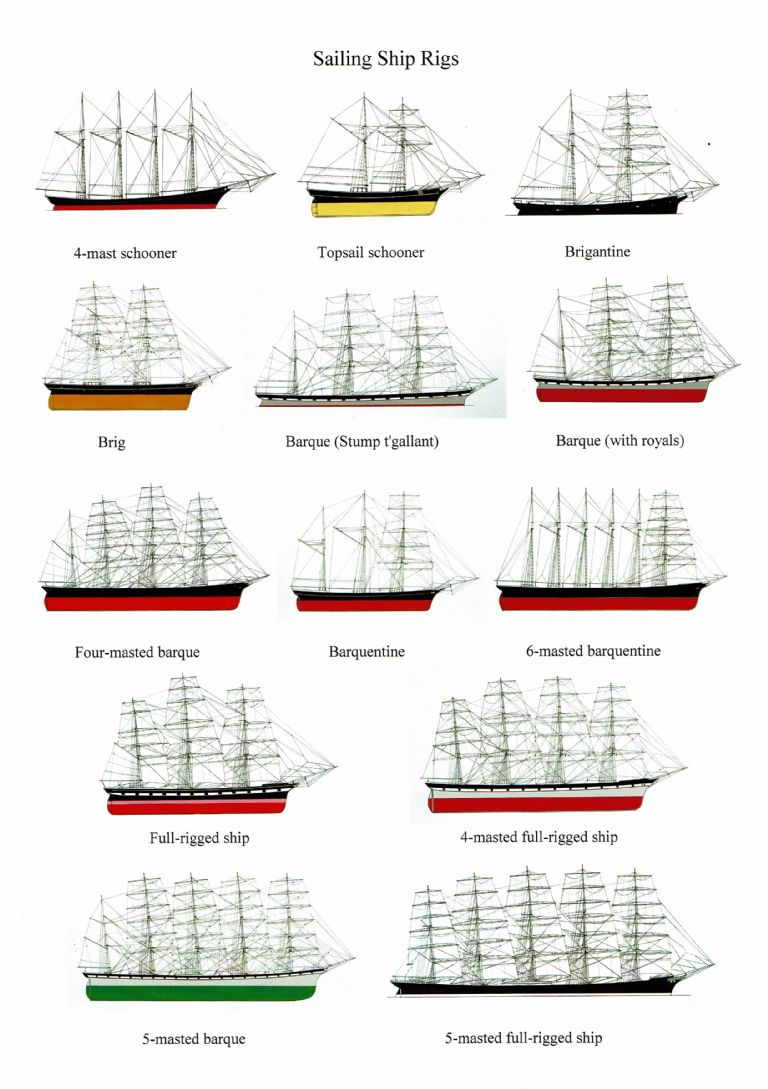
 Bob Abell 2
 ) but soon got the hang of all the sea terms and atypes of ship, although by that time they were all steamers and motor ships. These day, only motor ships.
 Colin Bishop
 Kev.W
Kev.W


- Please log in to reply to this topic. Registering is free and easy using the links on the menu at the top of this page.
Code of conduct | Forum Help/FAQs
Latest Replies
-
- Topic
- Voices
- Last Post
-
-
Eezebilt RAF Fire Boat
1
2
3
4
Started by:
Tim Cooper in: Build Blogs
- 8
-
2 hours, 36 minutes ago
 Richard Simpson
-
Spring 25 as featured in Howards Way from the 1980’s
Started by:
 Ray Wood 3
in: Sailing Models
Ray Wood 3
in: Sailing Models
- 5
-
2 hours, 40 minutes ago
Richard Simpson
-
Krick Felix – first build
Started by:
nighthaunt in: Beginners
- 5
-
2 hours, 43 minutes ago
Richard Simpson
-
Triple-Screw Boat in River in Boston
Started by:
Queequeg Quint in: All things floating
- 6
-
5 days, 10 hours ago
Richard Simpson
-
Todays Boating
1
2
…
216
217
Started by:
 ashley needham
in: All things floating
ashley needham
in: All things floating
- 86
-
1 week, 3 days ago
ashley needham
-
Spurn Light Vessel
Started by:
Gareth Jones in: Scratch build
- 5
-
1 week, 3 days ago
Richard Simpson
-
Hot Weather
1
2
Started by:
- 6
-
2 weeks, 4 days ago
-
superglue allergy
1
2
Started by:
 Alasdair Allan
in: All things floating
Alasdair Allan
in: All things floating
- 9
-
2 weeks, 4 days ago
ashley needham
-
Wivenhoe Lass – Fishing Boat – Scale 1/12th
1
2
Started by:
Ray Wood 3
in: Scratch build
- 6
-
3 weeks ago
Ray Wood 3
-
Vic Smeed’s Silver Mist
1
2
…
39
40
Started by:
Bob Abell 2 in: Scratch build
- 11
-
3 weeks, 1 day ago
 Colin Bishop
-
TID Tug
Started by:
Frag 74 in: Build Blogs
- 6
-
3 weeks, 1 day ago
Ray Wood 3
-
Favourite Tool
Started by:
- 6
-
1 month ago
Richard Simpson
-
Costa
Started by:
Stephen Garrad in: All things floating
- 5
-
1 month, 1 week ago
-
MV Oldenburg 1/48th scale
1
2
…
4
5
Started by:
Ray Wood 3
in: Scratch build
- 5
-
1 month, 1 week ago
Colin Bishop
-
End of the MPBA?
Started by:
Colin Bishop
in: All things floating
- 4
-
1 month, 1 week ago
Colin Bishop
-
My Builds and Future Projects
Started by:
 Chris Fellows
in: Build Blogs
Chris Fellows
in: Build Blogs
- 4
-
1 month, 4 weeks ago
 Boiler Bri
-
Pilot 40 slow build
Started by:
Boiler Bri
in: Build Blogs
- 2
-
1 month, 4 weeks ago
Boiler Bri
-
Servo problem
1
2
Started by:
- 5
-
2 months ago
-
Dodgy Geezer sites.
Started by:
Charles Oates in: Collectors’ corner
- 6
-
2 months ago
Dodgy Geezer 1
-
Sea Queen By Aerokits 2025
Started by:
harry smith 1 in: Collectors’ corner
- 6
-
2 months ago
-
Maintaining and Restoring Fairey Power Boats
Started by:
Colin Bishop
in: Full Size Ships
- 3
-
2 months ago
-
Bilge Pumps
Started by:
- 5
-
2 months, 1 week ago
 Tim Rowe
-
Diversification
Started by:
Richard Simpson
in: Soapbox
- 4
-
2 months, 1 week ago
Richard Simpson
-
AI 3D
Started by:
Alasdair Allan
in: All things floating
- 2
-
2 months, 1 week ago
Richard Simpson
-
Getting Fed Up
Started by:
Len Morris 2 in: Soapbox
- 8
-
2 months, 1 week ago
Richard Simpson
-
Eezebilt RAF Fire Boat
1
2
3
4
 Tim Cooper
  nighthaunt
  Queequeg Quint
  Gareth Jones
  Bob Abell 2
  Frag 74
  Stephen Garrad
  Charles Oates
  Dodgy Geezer 1
 harry smith 1
  Len Morris 2