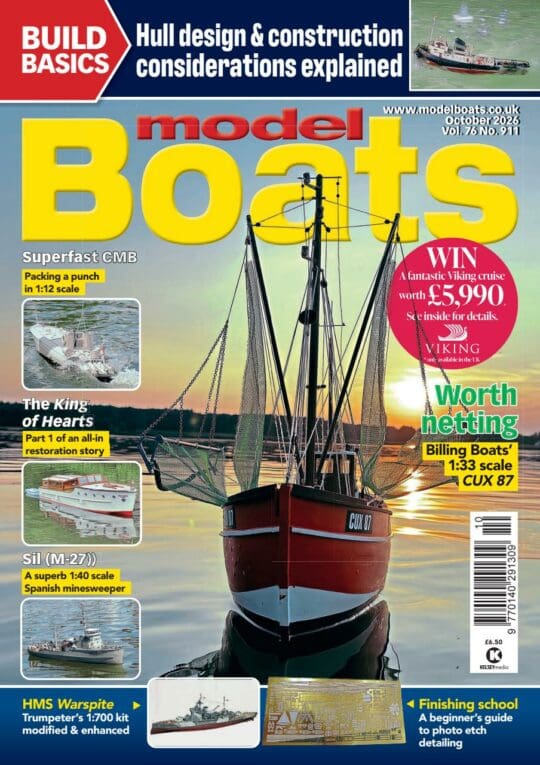

One of those days….
One of those days….
- This topic is empty.
 Colin Bishop
 neil hp
 ashley needham
 David Wooley
 sometimes .
 Brian Morris
- Please log in to reply to this topic. Registering is free and easy using the links on the menu at the top of this page.
Code of conduct | Forum Help/FAQs
Latest Replies
-
- Topic
- Voices
- Last Post
-
-
Eezebilt RAF Fire Boat
1
2
3
4
Started by:
Tim Cooper in: Build Blogs
- 8
-
4 hours, 43 minutes ago
 Richard Simpson
-
Spring 25 as featured in Howards Way from the 1980’s
Started by:
 Ray Wood 3
in: Sailing Models
Ray Wood 3
in: Sailing Models
- 5
-
4 hours, 47 minutes ago
Richard Simpson
-
Krick Felix – first build
Started by:
nighthaunt in: Beginners
- 5
-
4 hours, 50 minutes ago
Richard Simpson
-
Triple-Screw Boat in River in Boston
Started by:
Queequeg Quint in: All things floating
- 6
-
5 days, 12 hours ago
Richard Simpson
-
Todays Boating
1
2
…
216
217
Started by:
 ashley needham
in: All things floating
ashley needham
in: All things floating
- 86
-
1 week, 3 days ago
ashley needham
-
Spurn Light Vessel
Started by:
Gareth Jones in: Scratch build
- 5
-
1 week, 3 days ago
Richard Simpson
-
Hot Weather
1
2
Started by:
- 6
-
2 weeks, 4 days ago
-
superglue allergy
1
2
Started by:
 Alasdair Allan
in: All things floating
Alasdair Allan
in: All things floating
- 9
-
2 weeks, 4 days ago
ashley needham
-
Wivenhoe Lass – Fishing Boat – Scale 1/12th
1
2
Started by:
Ray Wood 3
in: Scratch build
- 6
-
3 weeks ago
Ray Wood 3
-
Vic Smeed’s Silver Mist
1
2
…
39
40
Started by:
Bob Abell 2 in: Scratch build
- 11
-
3 weeks, 2 days ago
 Colin Bishop
-
TID Tug
Started by:
Frag 74 in: Build Blogs
- 6
-
3 weeks, 2 days ago
Ray Wood 3
-
Favourite Tool
Started by:
- 6
-
1 month ago
Richard Simpson
-
Costa
Started by:
Stephen Garrad in: All things floating
- 5
-
1 month, 1 week ago
-
MV Oldenburg 1/48th scale
1
2
…
4
5
Started by:
Ray Wood 3
in: Scratch build
- 5
-
1 month, 1 week ago
Colin Bishop
-
End of the MPBA?
Started by:
Colin Bishop
in: All things floating
- 4
-
1 month, 1 week ago
Colin Bishop
-
My Builds and Future Projects
Started by:
 Chris Fellows
in: Build Blogs
Chris Fellows
in: Build Blogs
- 4
-
1 month, 4 weeks ago
 Boiler Bri
-
Pilot 40 slow build
Started by:
Boiler Bri
in: Build Blogs
- 2
-
1 month, 4 weeks ago
Boiler Bri
-
Servo problem
1
2
Started by:
- 5
-
2 months ago
-
Dodgy Geezer sites.
Started by:
Charles Oates in: Collectors’ corner
- 6
-
2 months ago
Dodgy Geezer 1
-
Sea Queen By Aerokits 2025
Started by:
harry smith 1 in: Collectors’ corner
- 6
-
2 months ago
-
Maintaining and Restoring Fairey Power Boats
Started by:
Colin Bishop
in: Full Size Ships
- 3
-
2 months ago
-
Bilge Pumps
Started by:
- 5
-
2 months, 1 week ago
 Tim Rowe
-
Diversification
Started by:
Richard Simpson
in: Soapbox
- 4
-
2 months, 1 week ago
Richard Simpson
-
AI 3D
Started by:
Alasdair Allan
in: All things floating
- 2
-
2 months, 1 week ago
Richard Simpson
-
Getting Fed Up
Started by:
Len Morris 2 in: Soapbox
- 8
-
2 months, 1 week ago
Richard Simpson
-
Eezebilt RAF Fire Boat
1
2
3
4
 Tim Cooper
  nighthaunt
  Queequeg Quint
  Gareth Jones
  Bob Abell 2
  Frag 74
  Stephen Garrad
  Charles Oates
  Dodgy Geezer 1
 harry smith 1
  Len Morris 2